
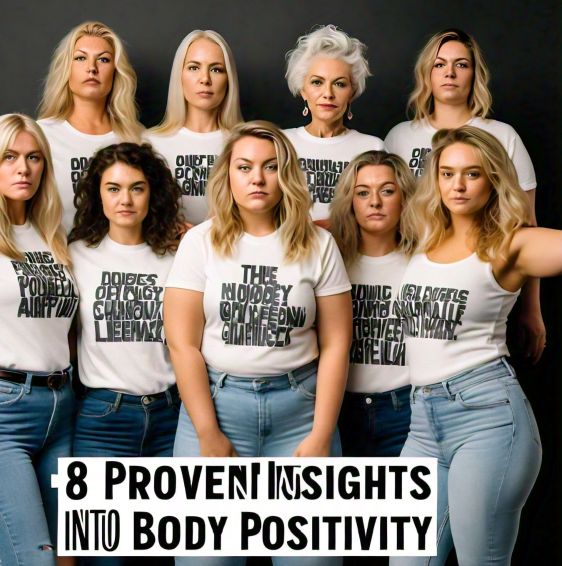

Body positivity challenges the idea that a person’s worth should be determined by size, shape, age, disability, skin, or appearance. A related idea—body neutrality—can be useful for people who do not feel comfortable trying to “love” their appearance. It focuses instead on respecting the body and reducing the amount of self-worth tied to looks.
Body image is more than weight
The U.S. Office on Women’s Health defines body image as how you think and feel about your body, including appearance, body size, and how comfortable you feel in your own skin. Body image can be positive, negative, or mixed and is not determined by weight alone.
Why negative body image matters
Persistent negative body image can affect self-esteem, social participation, eating, exercise, and mental health. The Office on Women’s Health notes associations with depression and eating disorders. That does not mean ordinary dissatisfaction automatically indicates a mental-health disorder, but severe or obsessive distress deserves attention.
Weight stigma is not a health strategy
People in larger bodies may experience teasing, blame, discrimination, or assumptions that they are lazy, undisciplined, or unconcerned about health. NIDDK notes that weight stigma can contribute to stress, depression, anxiety, social isolation, disordered eating, avoidance of physical activity, and delayed medical care.
It is possible to discuss medical risks associated with overweight or obesity without shaming people. Health status is influenced by many factors, and respectful care does not require pretending that weight never matters or treating body size as a moral failing.
Body positivity is not compulsory positivity
You do not have to feel beautiful every day or repeat affirmations you do not believe. A more realistic goal may be to reduce hostile self-talk and treat your body with basic respect.
What body neutrality can look like
- valuing what your body allows you to experience or do rather than judging appearance constantly;
- wearing clothing that fits your current body rather than using discomfort as punishment;
- choosing movement for health, enjoyment, function, or stress relief rather than only to “earn” food;
- eating adequately rather than cycling between extreme restriction and guilt;
- reducing exposure to social-media accounts that reliably worsen body dissatisfaction; and
- separating health decisions from appearance-based shame.
Social media can distort comparison
Images online may be carefully selected, filtered, edited, posed, or commercially motivated. If certain accounts consistently make you feel inadequate, changing what you follow can be a reasonable boundary. Seek a wider range of bodies, ages, abilities, and appearances rather than treating one visual ideal as normal for everyone.
Self-care does not require buying a fix
Body-image distress is not treated by detox products, gut supplements, fat burners, beauty supplements, or a specific fitness gadget. Useful self-care may include adequate food, sleep, enjoyable movement, supportive relationships, clothing comfort, media boundaries, and appropriate healthcare.
When to seek professional support
Consider speaking with a qualified healthcare or mental-health professional if thoughts about weight, shape, food, exercise, or appearance become persistent, distressing, or interfere with everyday life. Warning signs can include severe restriction, bingeing or purging, compulsive exercise, intense fear of weight gain, avoiding social situations because of appearance, or preoccupation with perceived flaws.
Eating disorders can affect people at any body size and are treatable. Body dysmorphic disorder and other mental-health conditions also require appropriate assessment rather than generic self-help advice.
A balanced principle
You can respect your body while also making evidence-based decisions about nutrition, fitness, medical care, or weight management. Compassion and health are not opposites.
Sources
- Office on Women’s Health: Body Image
- NIDDK: Talking With Patients About Weight and Weight Stigma
- NIH: Eating Disorders
Maximum Health provides general education and does not diagnose or treat eating disorders, body dysmorphic disorder, depression, or other mental-health conditions.


