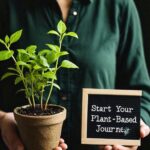


Vegan Cooking Tips: The Complete Beginner’s Guide to Delicious Plant-Based Meals
In the beginning, as you explore Top Tips for Vegan Cooking, you may feel that vegan cooking is more of a hassle than a benefit. If you find yourself in that position, you are not alone. The good news is that help is available, and a few simple changes can make the process far easier and more enjoyable. Taking time to review your options—recipes, staples, and meal routines—will help you get the greatest benefit from a healthier lifestyle. Because vegan cooking often requires more intention, it is important to think ahead and plan your meals in advance, so you always have the right ingredients on hand and never feel stuck at the last minute.
One of the best ways to get the biggest benefit from vegan cooking from Top Tips for Vegan Cooking is to start with the fruits and vegetables you already enjoy. This keeps the process realistic, sustainable, and far less frustrating—especially in the early stages when you are building new habits. If you have a strong dislike for okra, for example, it makes little sense to rush out and collect a stack of okra recipes of Top Tips for Vegan Cooking. Forcing yourself to “eat what you hate” is one of the fastest ways to lose motivation and feel like vegan cooking is a chore.
Instead, focus on recipes that feature ingredients you genuinely like. If you love mushrooms, build meals around mushroom stir-fries, mushroom pasta, or hearty mushroom stews. If you enjoy broccoli, experiment with roasted broccoli bowls, broccoli soups, and broccoli tofu stir-fries. When your meals start from from Top Tips for Vegan Cooking a positive place—foods you already look forward to eating—you are more likely to stay consistent and actually enjoy the lifestyle.
A practical approach is to create a short “favorites list” of 10–15 plant foods you like. Then, search for recipes using those ingredients as the main stars. This gives you a reliable base of meals you can rotate throughout the week without getting bored or overwhelmed. You can also simplify further by choosing a few “go-to meal types” that work with almost any vegetable—such as stir-fries, grain bowls, soups, curries, wraps, or pasta dishes of Top Tips for Vegan Cooking. These formats are flexible, beginner-friendly, and easy to customize.
Of course, trying new foods is still valuable—variety supports better nutrition and keeps meals interesting. But it is best approached gradually. Think of new ingredients as “optional upgrades” rather than requirements. Add one unfamiliar vegetable or ingredient at a time, test it in a dish you already like, and keep what works from Top Tips for Vegan Cooking. Over time, your list of favorite foods expands naturally, and vegan cooking starts to feel less like a challenge and more like a creative, enjoyable routine.

Fruits And Vegetables
To ensure that your new Vegan diet is as affordable as possible you need to look for fruits and vegetables that are in season to cook. If you are constantly having to purchase expensive fruits and vegetables for your meals you will quickly discover that your budget is blown far before it is time to even work on the next month’s budget from Top Tips for Vegan Cooking. Spreading your money around as much as possible will demand that you buy only foods that are in season as much as possible.
If you are truly interested in living the ultimate Vegan lifestyle, it is time to start investing in a garden for your house. You do not need to dedicate acres of space to the garden, but a small area to raise at least the basic vegetables would be considered essential. If you can spare some additional space to add some more vegetables then go right ahead, however never feel as if a garden is wasted if you only have a few feet.
To start with you need to look towards tomatoes and even peppers. These are both extremely easy to grow, take very little space, and can save a bundle of money from Top Tips for Vegan Cooking. Having your own fresh vegetables to eat is a huge perk.
Look for ways to save as much money as possible. If you are going to embrace a Vegan lifestyle, you should reap all of the benefits. This means looking for some pick-your-own farms, which will allow you to pick your own produce at significant savings from Top Tips for Vegan Cooking. If you are only buying small batches of produce you will discover that it can quickly turn expensive. Purchasing larger supplies can provide you ample stock to enjoy fresh foods as well as allow you to can or freeze additional supplies to have for the off-season months.
A final suggestion to follow as you are getting started with Vegan cooking is to look for some great cooking classes designed to start teaching from the very basics from Top Tips for Vegan Cooking. This will allow you to learn numerous ways to cook without the problem of your meals tasting plain and boring. If you are truly interested in exploring a delicious Vegan lifestyle then the cooking classes are something that you will have to venture into.
An alternative to the classes would be to stop by a friend’s house and get some cooking tips from them, this however is only effective if your friend is also a Vegan and can teach you some of the best tips and tricks for retaining flavor and producing delicious meals from Top Tips for Vegan Cooking. Working to live a healthy lifestyle does not involve boring meals that you suffer through; rather with some practice, you can create truly remarkable dishes.
Vegan cooking is not about restriction—it is about upgrading your toolkit and learning a new, highly flexible way to build meals. When you approach it with the right mindset, plant-based cooking becomes less about “what you cannot have” and more about discovering new flavors, smarter routines, and ingredients that make you feel good. In fact, many of the Top Tips for Vegan Cooking come down to a handful of core principles: knowing how to build bold flavor, how to keep meals filling and balanced, and how to stock staples that make cooking fast and stress-free.
Once you understand these fundamentals, vegan cooking stops feeling random or complicated. You begin to see patterns—simple meal structures you can repeat, mix, and match based on what you have at home. Instead of relying on complicated recipes every day, you learn to cook in “systems”: a reliable protein base (like beans, lentils, tofu, or tempeh), a satisfying carbohydrate (like rice, pasta, potatoes, or wraps), plenty of vegetables for fiber and volume, and a sauce or seasoning strategy that makes everything taste exciting. This is exactly why vegan meals can become easier over time—because you are building skills that transfer to countless dishes from Top Tips for Vegan Cooking.
This cornerstone guide is designed to make that transition from Top Tips for Vegan Cooking as smooth as possible by breaking vegan cooking into practical, beginner-friendly systems you can apply immediately. You will learn what to buy so your kitchen is always prepared, what to batch-prep so weeknight meals come together quickly, and how to build flavor every time using simple techniques that prevent bland or repetitive dishes from Top Tips for Vegan Cooking. You will also learn how to avoid the most common beginner mistakes—like under-seasoning, not eating enough protein or calories, and trying too many unfamiliar foods at once—so you can stay consistent without feeling overwhelmed.
Most importantly, these Top Tips for Vegan Cooking are meant to help you create a lifestyle that is sustainable in the real world. Whether your goal is better health, more energy, weight management, or simply eating more plants, the aim is the same: make vegan cooking practical, enjoyable, and easy to stick with—one meal at a time.

Table of Contents (from Top Tips for Vegan Cooking)
Table of Contents
1) Why vegan cooking feels hard at first (and how to fix it fast – from Top Tips for Vegan Cooking)
Most beginners struggle for one of three reasons:
- They try to recreate meat-heavy meals without learning plant-based structure.
- They under-season, so meals taste flat.
- They lack a system, so every dinner becomes a new decision.
The fix: stop trying to perfect everything at once. Build a small rotation of “core meals,” master a few sauces, and stock staples that make cooking feel automatic.
2) The Vegan Plate Formula (use this every time – from Top Tips for Vegan Cooking)
If you want meals that keep you full and energized, build plates using this simple framework:
Vegan Plate = Protein + Fiber + Carbs + Healthy Fat + Flavor
- Protein: tofu, tempeh, beans, lentils, edamame, seitan
- Fiber: vegetables, legumes, whole grains
- Carbs: rice, potatoes, pasta, tortillas, quinoa
- Healthy fat: olive oil, tahini, nuts/seeds, avocado, coconut milk
- Flavor: herbs, spices, acids, sauces, umami boosters
This formula prevents the most common complaint: “I ate vegan and felt hungry again.”
3) Vegan Pantry Staples (so you can always cook something – from Top Tips for Vegan Cooking)
A strong pantry is the difference between “I have nothing to eat” and “I can make dinner in 20 minutes.”
Core Staples
Grains & carbs
- rice, pasta, oats, tortillas, quinoa (optional)
Canned and jarred
- chickpeas, black beans, lentils (or canned lentils), crushed tomatoes, tomato paste
- coconut milk (great for curries, soups, creamy sauces)
Flavor builders
- soy sauce or tamari
- mustard, vinegar (apple cider or rice vinegar), hot sauce
- garlic, onions (fresh) + garlic powder/onion powder (backup)
Spices
- cumin, paprika, chili flakes, black pepper, curry powder, oregano
Umami boosters (the “make it taste like more” category)
- miso paste
- nutritional yeast
- mushrooms or mushroom stock cubes
Cornerstone tip
If you can store 3 proteins + 3 carbs + 5 flavor boosters, you will rarely be stuck.
4) The Flavor Formula (the difference between bland and addictive – from Top Tips for Vegan Cooking)
If vegan meals ever taste “plain,” seasoning is almost always the culprit. Use this dependable structure:
Flavor Formula = Salt + Fat + Acid + Heat + Umami
- Salt: sea salt, soy sauce, miso
- Fat: olive oil, tahini, nut butter, coconut milk
- Acid: lemon/lime juice, vinegar, pickled onions
- Heat: chili flakes, fresh chili, hot sauce
- Umami: mushrooms, tomato paste, miso, nutritional yeast
Pro move: Add acid at the end (lemon or vinegar). It brightens the entire dish instantly.
5) Plant-Based Protein Made Easy (no confusion, no stress – from Top Tips for Vegan Cooking)
You do not need complicated ingredients. Rotate a few reliable protein sources and learn their best uses.
Beans (chickpeas, black beans, kidney beans)
Best for:
- tacos, wraps, salads, soups, curries, rice bowls
Fast upgrade:
- toss canned beans with spices + olive oil and roast for crunch
Lentils (brown, green, red)
Best for:
- bolognese, stews, soups, curries, patties
Quick tip:
- red lentils cook fastest and become creamy—perfect for thick soups and dals
Tofu (the beginner MVP)
Best for:
- stir-fries, bowls, baked cubes, air-fryer bites, scrambles
How to make tofu taste good
- Press or pat dry
- Season generously (salt + spice + a sauce)
- Bake/air-fry for texture
- Finish with sauce (acid + umami)
Tempeh (firm, nutty, hearty)
Best for:
- smoky strips, sandwiches, crumbles, stir-fries
Tip:
- steam or simmer briefly before seasoning if the flavor feels too strong
6) Smart Vegan Substitutes for Dairy and Eggs – from Top Tips for Vegan Cooking
You do not need to replicate everything perfectly. Start with a few swaps that work in most recipes.
Easy swaps
- Milk → soy milk or oat milk
- Butter → plant-based butter or olive oil
- Cream → coconut milk or blended cashews
- Parmesan vibe → nutritional yeast + salt + garlic powder
- Eggs (baking) → flax egg (ground flax + water), applesauce, mashed banana (recipe-dependent)
Rule of thumb
Use substitutes as tools—not as requirements. Many vegan meals do not need “replacement products” at all.
7) Budget-Friendly Vegan Cooking (what actually saves money – from Top Tips for Vegan Cooking)
Vegan can be very affordable if you lean into the right categories.
The biggest money-savers
- Seasonal produce: cheaper and better tasting
- Frozen vegetables: reduce waste, always available
- Bulk carbs + legumes: rice, oats, lentils, beans
- Batch cooking: cook once, eat multiple times
The “budget balance”
If you buy a few premium items (e.g., berries, specialty sauces), balance your cart with staples like potatoes, rice, lentils, and frozen veg.
8) Vegan Meal Prep: A Simple Weekly System (30–60 minutes – from Top Tips for Vegan Cooking)
You do not need full Sunday meal prep. You need components.
The 3-Component Prep (repeat weekly)
- One protein: lentils or chickpeas (cooked or canned) OR baked tofu
- One carb: rice/quinoa/pasta OR roasted potatoes
- One sauce: tahini-lemon, peanut-lime, or simple tomato sauce
Then mix:
- bowls, wraps, salads, stir-fries, pasta meals
3 fast sauces to rotate
Tahini-Lemon Sauce
- tahini + lemon + water + salt + garlic powder
Peanut-Lime Sauce
- peanut butter + lime + soy sauce + water + chili flakes
Quick Tomato Umami Sauce
- canned tomatoes + tomato paste + garlic + oregano + splash vinegar
9) Common Vegan Cooking Mistakes (and how to avoid them)
Mistake 1: Not eating enough calories
Fix: add healthy fats (tahini, olive oil, nuts) and carbs (rice, potatoes).
Mistake 2: Too little protein
Fix: include a protein anchor in most main meals (beans/lentils/tofu/tempeh).
Mistake 3: Under-seasoning
Fix: use the flavor formula and finish with acid.
Mistake 4: Trying too many new foods at once
Fix: keep meals 70% familiar, 30% experimental.
10) 7-Day Beginner Starter Plan (simple, repeatable meals – from Top Tips for Vegan Cooking)
Grocery List (Beginner Core)
Produce: onions, garlic, carrots, spinach, tomatoes, bell peppers, lemons/limes, bananas
Protein: chickpeas, lentils, tofu
Carbs: rice, pasta, tortillas, oats
Flavor: soy sauce, curry powder, cumin, paprika, vinegar, hot sauce
Optional upgrades: coconut milk, nutritional yeast, miso
Starter Meal Rotation
- Day 1: chickpea curry + rice
- Day 2: tofu stir-fry + rice
- Day 3: lentil bolognese + pasta
- Day 4: bean tacos + salsa + greens
- Day 5: big salad + chickpeas + tahini dressing
- Day 6: veggie soup + bread or rice
- Day 7: “leftover remix” bowls (protein + carb + sauce + veg)

11) FAQs (great for on-page SEO)
Is vegan cooking expensive?
It does not have to be. Staples like beans, lentils, rice, oats, potatoes, and seasonal produce are typically budget-friendly. Frozen vegetables also reduce waste.
What is the easiest vegan meal for beginners?
A grain bowl: rice or quinoa + beans + vegetables + a simple sauce (tahini-lemon or peanut-lime).
How do I make tofu taste good?
Focus on texture and seasoning: dry it, season boldly, bake/air-fry, and finish with a sauce that includes acid (lemon/vinegar) and umami (soy/miso).
How do I get enough protein on a vegan diet?
Build meals around beans, lentils, tofu, tempeh, edamame, and whole grains. Include a protein anchor in most main meals.
More Information:
- What Exactly is Vegan
- Veganism
- Veganism and Pregnancy
- Veganism and Animals
- Vegan Cooking Made Easy
- Places to Locate Vegan Foods
- 7 Easy Tips for Vegan Cooking for Beginners – Start Your Plant-Based Journey Today!
- Struggling to Accept Veganism
- 5 Powerful Ways to Successfully Starting Children with Vegan Diet – Nurture Their Health Naturally!
- Should Children Eat Vegan
DISCLAIMER:
This information is not presented by a medical practitioner and is for educational and informational purposes only. The content is not intended to be a substitute for professional medical advice, diagnosis, or treatment. Always seek the advice of your physician or other qualified healthcare providers with any questions you may have regarding a medical condition. Never disregard professional medical advice or delay in seeking it because of something you have read.
Since natural and/or dietary supplements are not FDA-approved they must be accompanied by a two-part disclaimer on the product label: that the statement has not been evaluated by FDA and that the product is not intended to “diagnose, treat, cure or prevent any disease.”