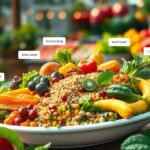

Heart-healthy eating is not a special detox, a cholesterol-free diet, or a short-term challenge. It is an overall eating pattern that emphasizes nutrient-dense foods most of the time while limiting dietary patterns associated with higher cardiovascular risk.
Current American Heart Association guidance emphasizes a wide variety of vegetables and fruits, mostly whole grains, healthy protein sources, unsaturated fats in place of saturated fats, minimally processed foods, less added sugar, and lower sodium. The National Heart, Lung, and Blood Institute’s DASH eating plan follows similar principles and has strong evidence for lowering blood pressure.
Key takeaways
- Focus on the overall dietary pattern, not a single “superfood.”
- Eat a variety of vegetables, fruits, legumes, nuts, seeds, and mostly whole grains.
- Choose fish, seafood, legumes, nuts, seeds, low-fat dairy or appropriate alternatives, and other lean protein sources more often.
- Replace sources of saturated fat with unsaturated fats where practical.
- Limit heavily processed foods, added sugars, and excess sodium.
- People with high blood pressure, high cholesterol, diabetes, kidney disease, or medication-related dietary restrictions may need individualized advice.
Build Meals Around Plant Foods
Vegetables, fruits, legumes, nuts, seeds, and whole grains provide fiber, vitamins, minerals, and other compounds that support cardiovascular health. Variety matters more than chasing one supposedly perfect food.
A practical plate might include vegetables or fruit, a whole-grain or other minimally processed carbohydrate, and a protein source such as beans, lentils, fish, poultry, tofu, yogurt, eggs, nuts, or seeds depending on your preferences and health needs.
Choose Fats by Type, Not by Fear
For cardiovascular health, the type of fat matters. Current AHA guidance favors replacing foods high in saturated fat with sources of unsaturated fat such as olive oil, nuts, seeds, avocado, and fish. Dietary cholesterol is not the main nutritional target for most people; saturated fat, overall food quality, and the broader dietary pattern matter more.
Pay Attention to Sodium
High sodium intake can raise blood pressure in many people. The DASH eating plan uses a sodium limit of 2,300 mg per day, with 1,500 mg producing a larger blood-pressure reduction in the DASH-Sodium research. Individual needs can vary, especially with kidney disease, certain medications, or other medical conditions.
Useful strategies include choosing more fresh or minimally processed foods, comparing food labels, limiting cured and heavily salted foods, and using herbs, spices, citrus, garlic, or other seasonings instead of automatically adding salt.
Limit Added Sugars and Highly Processed Foods
Sugar-sweetened drinks, sweets, refined grains, and many highly processed snack foods can displace more nutrient-dense foods. Heart-healthy patterns minimize added sugars and favor minimally processed choices more often.
Protein: Choose the Source Thoughtfully
Healthy protein sources can include legumes, nuts, seeds, fish and seafood, lower-fat dairy or alternatives, eggs, and lean poultry or meat. You do not need to eliminate all animal foods to eat for cardiovascular health, nor do you need to follow a single named diet.
What About Alcohol?
The 2026 AHA guidance states that people who do not drink alcohol should not start for cardiovascular benefit. If alcohol is consumed, it should be limited in line with appropriate health guidance and individual medical circumstances.
DASH, Mediterranean, Vegetarian, and Other Patterns
Several dietary patterns can be compatible with cardiovascular health. DASH has especially strong evidence for lowering blood pressure. Mediterranean-style, vegetarian, flexitarian, and other patterns can also be healthful when they emphasize vegetables, fruits, legumes, whole grains, nuts, seeds, healthy fats, and minimally processed foods.
The label matters less than the food pattern you can sustain.
Lifestyle Still Matters
Diet is only one part of cardiovascular health. Regular physical activity, avoiding tobacco, adequate sleep, managing blood pressure and cholesterol, and taking prescribed medication when needed all matter. Lifestyle changes should complement—not replace—medical treatment.
When to Get Individual Advice
Speak with a qualified healthcare professional or registered dietitian if you have diagnosed cardiovascular disease, very high cholesterol, high blood pressure, diabetes, kidney disease, a history of disordered eating, unexplained weight change, or medications that affect potassium, sodium, blood pressure, or blood sugar.
Sources and Further Reading
- American Heart Association: 2026 Dietary Guidance to Improve Cardiovascular Health
- National Heart, Lung, and Blood Institute: DASH Eating Plan
- NHLBI: Health Benefits of DASH
- American Heart Association: Prevention and Treatment of High Cholesterol
This article provides general educational information. It does not replace individualized medical or nutrition advice.