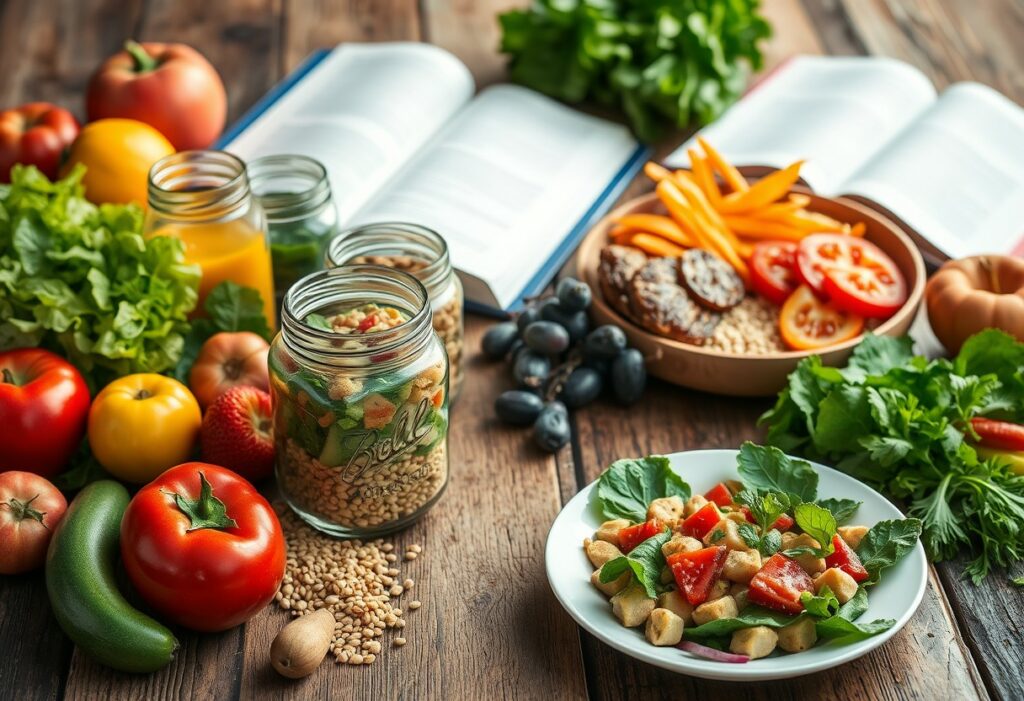

“Clean eating” is an informal wellness term, not a standardized medical diet. At its best, it encourages more vegetables, fruit, whole grains, legumes, nuts, seeds and other minimally processed foods. At its worst, it can turn ordinary eating into a purity test built around “clean” versus “dirty” foods, arbitrary ingredient rules and unnecessary restriction.
What clean eating gets right
- eat a wide variety of vegetables and fruit;
- choose whole grains and high-fiber foods regularly;
- include adequate protein from foods that fit your preferences;
- use unsaturated fats more often in place of saturated fats;
- limit excess added sugars, sugary drinks and sodium; and
- cook at home when it helps with budget, food quality or enjoyment.
These principles overlap with mainstream healthy-diet guidance from organizations such as WHO and the American Heart Association. You do not need the “clean eating” label to use them.
Processed does not automatically mean unhealthy
Processing includes freezing, canning, pasteurizing, fermenting, grinding, cooking and fortifying. Frozen vegetables, canned beans, yogurt, whole-grain bread, tofu and fortified plant milk are all processed to some degree and can still be useful nutritious foods.
A more useful question is what a food contributes to your overall diet—not whether it was altered from its original form.
Do not judge food by ingredient-list length
Rules such as “avoid anything with more than five ingredients” or “do not eat ingredients you cannot pronounce” are not evidence-based nutrition standards. A long or technical ingredient name does not automatically indicate danger, and a short ingredient list does not guarantee nutritional quality.
Use the Nutrition Facts label instead
When comparing packaged foods, look at serving size, added sugars, saturated fat, sodium, fiber, protein and nutrients relevant to your needs. Ingredient order can also help you understand what makes up most of the product, but it should not be treated as a purity score.
Meal planning can help without becoming rigid
Planning a few meals, keeping staple foods available and preparing ingredients in advance can reduce last-minute reliance on foods you do not enjoy or that do not fit your goals. You do not need to prepare every meal from scratch or remove all convenience foods.
Mindful eating is not a calorie-control trick
Eating with fewer distractions and noticing hunger, fullness, taste and satisfaction may help some people understand their eating patterns. It should not become another rigid rule or a promise that eating slowly will automatically reduce calories or cause weight loss.
Where “clean eating” can become harmful
- labeling foods or people as “good,” “bad,” “clean” or “dirty”;
- fear of harmless additives solely because their names sound chemical;
- removing large food groups without a medical or ethical reason;
- feeling guilt or anxiety after eating foods outside self-imposed rules;
- avoiding social situations because suitable “clean” food may not be available; and
- using increasingly restrictive rules as proof of discipline or health.
For people vulnerable to disordered eating, purity-focused food rules can be particularly unhelpful. If food rules are becoming obsessive, distressing or socially limiting, professional support may be appropriate.
A better framework: healthy eating without purity
Build most meals around nutrient-dense foods, leave room for convenience and enjoyment, and evaluate the whole dietary pattern rather than demanding perfection from every ingredient.
For a more complete framework, see Healthy Eating: A Practical Guide to Better Everyday Food Choices.
Sources
- World Health Organization: Healthy Diet
- American Heart Association: 2026 Dietary Guidance to Improve Cardiovascular Health
Maximum Health provides general nutrition education and does not promote food-purity or detox programs.