Six current adjustable dumbbell systems compared by weight range, increments, adjustment method, expandability, construction, footprint and training use case for home gyms.
Six current mountain-bike helmets compared by certification, fit system, ventilation, coverage, weight, eyewear compatibility and riding style, with clear limits on what helmet technologies can guarantee.
Six current sunscreens for sensitive skin compared by UV filters, fragrance, water resistance, non-comedogenic claims, barrier-support ingredients, texture and likely use case.
A current guide to Olympic weightlifting competition, including the snatch, clean & jerk, three-attempt format, weigh-in, attempt order and how the Total is calculated.
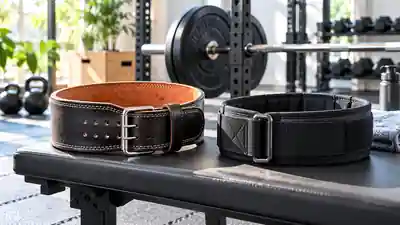
Six current lifting belts compared by thickness, width, buckle style, competition use, mobility and training style, plus evidence-based guidance on what a belt actually does.
Six current 20kg barbells compared by training style, shaft diameter, knurl, rotation, center knurl, grip markings and price tier for mixed-use, powerlifting and Olympic lifting.
A concise history of Olympic weightlifting from the first World Championships in 1891 and Athens 1896 through the modern snatch and clean & jerk era and women’s Olympic debut in 2000.
A practical guide to hydration during exercise, including water needs, sweat loss, heat, electrolytes and why fluid needs should be individualized rather than based on a single universal formula.
An evidence-informed look at exercise as a support tool during smoking cessation, including short-term craving relief, mood benefits and why exercise does not replace proven cessation treatment.
Practical strategies for making physical activity more enjoyable and sustainable through activity choice, variety, social support, flexible routines and realistic goals.
An evidence-informed comparison of free weights and resistance machines, including strength specificity, muscle growth, stability, learning curve and how to choose based on goals and preferences.
Evidence-informed pregnancy exercise guidance covering aerobic and strength activity, safe options, gradual progression, activities to avoid and warning signs that require medical advice.
Current exercise guidance for people with diabetes, including aerobic and resistance activity, glucose monitoring, hypoglycemia risk, medication considerations and complications that may require individualized advice.